
Bills & Household Finances
SAWS Winter Averaging: A November Checklist for San Antonio Households
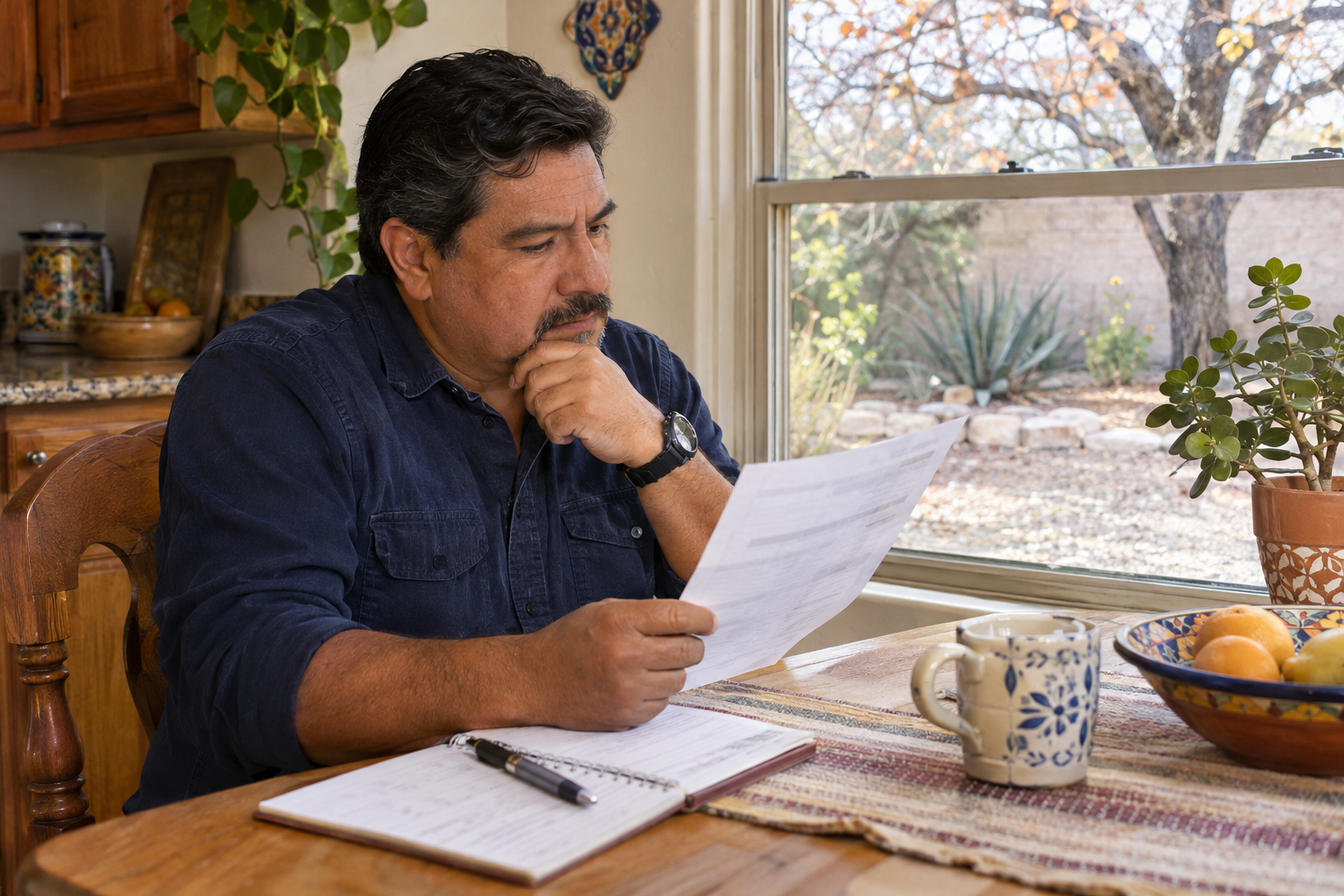
A household water bill is easy to file away once it is paid. In November, it is worth keeping one nearby for a different reason: preparing for SAWS winter averaging. A short planning session can help you find the right dates, notice unanswered questions and make sure someone follows through.
This checklist is for San Antonio and Bexar County households with residential sewer service billed by SAWS. Start by checking the service details on your own statement; living in the county does not mean every household has the same provider or billing arrangement.
Why winter water use deserves a place on the calendar
SAWS uses average winter water consumption to help calculate residential sewer charges. Its general guidance describes three consecutive billing periods between mid-November and mid-March. Your billing cycle matters, and SAWS says its schedule changes annually.[1]
Treat November as a reminder to verify your own averaging window. This is a seasonal billing process, not a new enrollment deadline. No single start date applies to every reader, and lower usage does not guarantee a particular bill reduction.
1. Find the statement and confirm the dates
SAWS identifies the billing cycle in the Current Bill Summary section of the bill. Use that cycle when checking its winter-averaging guidance or asking SAWS to confirm the dates for your address.[1] Write down the answer in the same place you keep household bill reminders.
If you recently opened an account, or SAWS bills you for sewer service provided by the San Antonio River Authority, ask which rules apply. SAWS describes different arrangements for these situations in its FAQs.[2] Avoid borrowing a neighbor's dates or calculation.
2. Give unusual water use a clear follow-up
Pull together recent bills and note changes in occupancy, irrigation routines or household use. These notes provide context for a question; they do not establish the cause of a higher bill.
SAWS warns that an unrepaired leak can affect the winter average and recommends reviewing winter sprinkler use.[1] Its high-bill resources also explain why unusual water use may occur without an obvious puddle.[3] Use those official resources, and arrange qualified help where needed. Leave irrigation decisions and repairs to the appropriate household member or professional.
Keep the next action specific: “Ask SAWS about this usage change,” “Schedule the plumber,” or “Ask the irrigation provider to review the settings.” Add an owner and a follow-up date so the task does not disappear into a general to-do list.
3. Keep one small household record
- Account reference: keep the latest statement in a secure folder.
- Confirmed averaging window: record the dates and where the answer came from.
- Questions: list unexplained changes in usage or billing.
- Actions: note who will contact SAWS or a service provider and when.
- Outcome: save the response, appointment confirmation or completed-work record.
Use secure access arrangements when a relative helps with the account. Confirm with SAWS what authorization it requires before asking someone else to discuss account details. A shared task list can show progress without displaying passwords or full account information.
What needs attention now, soon and later?
- Now: find the current statement, identify the provider and billing cycle, and investigate an active water problem promptly. SAWS lists water and sewer emergencies at 210-704-7297, press 1, available 24/7.[4]
- Soon: confirm your averaging dates, assign unresolved questions and organize any needed appointments.
- Later: keep reviewing statements and close out completed tasks. Ask SAWS about unexpected charges rather than assuming winter averaging explains every difference.
This checklist does not quote a fee or estimated savings. Any utility charge or paid service appointment should be confirmed directly before you agree to it.
When household responsibilities change hands
A move, busy work season or family transition can interrupt the routines that normally keep paperwork moving. The useful handoff is a clear note: what has been checked, what remains open and who is doing it next.
Here to Help provides life and household support with records, routine bills, important dates and practical administrative follow-through. We can help organize the paperwork and task list while SAWS answers account questions and qualified providers handle technical work.
Sources and Local Resources
Information checked November 9, 2026.